
Autoflowers 101: What Makes Them Different
Autos flower on age, not daylight. What ruderalis genetics mean for your grow, what autos can't do, and who they suit best.
By Autoflower.net Editorial Team
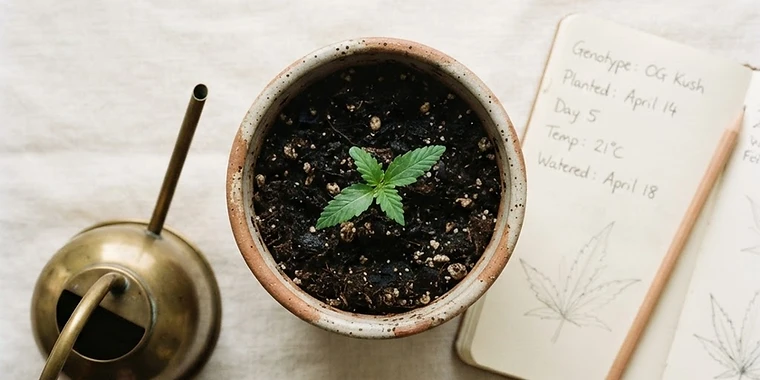
Cannabis comes in two clocks. Photoperiod strains read the calendar the sky hands them: days shorten, summer fades, and only then do they commit to flowering. Autoflowers ignore the sky entirely. They flower on their own internal schedule, usually three to five weeks after sprouting, no matter what you do with the lights or where the sun sits. Everything else about growing them flows from that one difference.
Where the auto habit comes from
Autoflowering genetics trace back to Cannabis ruderalis, a scrappy subspecies that survives short summers in Russia and Central Asia. Ruderalis plants are small, fast, and not very potent, but they carry one extraordinary trait: they flower by age rather than by daylight. Breeders spent decades crossing that trait into photoperiod cannabis, keeping the clock and quietly discarding the rest. The modern autoflower is the result, and it has improved enormously in the last decade. The autos of fifteen years ago were wispy, seedy disappointment. Today's autos regularly match photoperiod potency, and the best of them push past it.
What actually changes for you
The biggest change is that you never control veg time. A photoperiod grower can hold a plant in vegetative growth for three months to build a monster before flipping to flower. An auto flowers when it's ready, and your job is to keep it comfortable enough to make the most of every week it has. That single constraint reshapes the whole grow:
- Start in the final pot. Autos hate transplanting. The week it takes roots to recover is a week of the plant's short life it never gets back. Germinate in the pot it will finish in.
- Go easy early. Stress in the first three weeks, overwatering, aggressive topping, rough handling, shows up as a permanently smaller plant. Autoflowers don't get a second chance to make up lost veg time.
- One light schedule, start to finish. No flip, no dark period to manage. Pick a schedule and leave it alone.
- Train with a light touch. Low-stress training works beautifully. Heavy pruning, late in the run, or anything that takes more than a few days to recover from costs more than it returns.
What autos can't do
Be honest about the trade-offs before you commit a grow room to them. You can't take useful clones from an auto, because a clone inherits the mother's age and finishes as a stunted miniature, so every plant starts from seed. You can't extend veg to recover from disaster, and you can't keep a mother plant around for future runs. Yield, while very good now, generally still trails an equal photoperiod given unlimited veg space. And because the schedule is fixed, a mistake in week three is baked in by week five.
The misconceptions, cleared up
Autos are not sensitive to light leaks the way photoperiods are. A stray LED from a timer won't trigger hermaphroditism or re-vegging, because the plant isn't reading day length in the first place. They aren't automatically less potent; lab results from modern autos run comfortably into the twenties in THC. And they don't need special nutrients, just lighter feeding than a bottle's chart suggests, because a smaller, faster plant eats less.
Who should grow them
If you want fast, discreet, low-drama harvests, autos are hard to beat. They suit small tents, balconies, and closets; they suit growers who can't devote months to a single run; and outdoors in short-summer climates they're often the only reliable option, since two or even three harvests fit in one season. If you want to grow a single towering monster or hold genetics as clones, a photoperiod serves you better.
Start with a forgiving variety such as Northern Lights Auto or Blue Dream Auto, follow the week-by-week timeline, and let the plant's own clock do the scheduling. That's the whole trick.
Written by the Autoflower.net Editorial Team. Information on this page is educational and does not replace strain-specific breeder guidance. Laws on cannabis cultivation vary by jurisdiction — check your local rules before growing.