
Additives Explained: Bloom Boosters, Silica, Sugars and Microbes
Bloom boosters, Cal-Mag, silica, sugars and microbes: what each additive does, when it earns its price, and which three to buy first.
By Autoflower.net Editorial Team
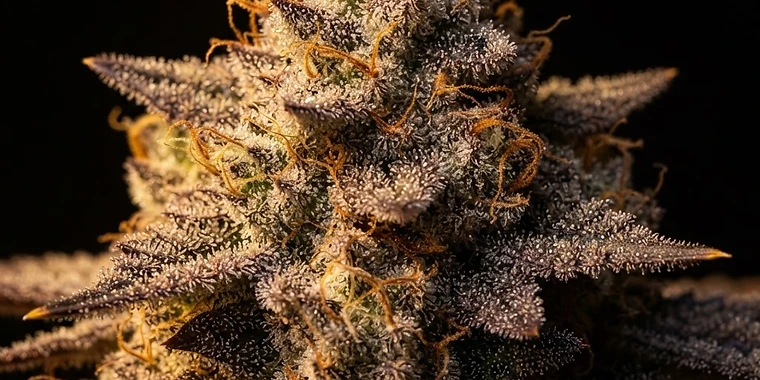
Every grow shop has a shelf of secret weapons: bloom boosters in aggressive lettering, molasses, silica, carb loaders, microbe blends. Some earn their shelf space. Some are expensive coloured water. Telling them apart isn't brand loyalty, it's knowing what each category does biologically and whether your grow has a gap it can fill. Here's the field guide, with the buying advice at the end.
Bloom boosters and PK products
The claim is that extra phosphorus and potassium in mid-to-late flower makes buds bigger and denser. The biology supports half of it. Phosphorus demand does rise in flower, and potassium peaks while buds bulk and sugars move, as the macronutrient guide explains. The catch is that most complete bloom nutrients already deliver generous P and K, so a booster usually adds more of what you already have, which in soil especially means more salt load rather than more weight. In coco and hydro, where you steer by EC, deliberately lifting the potassium ceiling in peak flower is a legitimate technique. In soil grows running a complete bloom feed, it's usually a donation to the shop. The honest test is your own runoff numbers: if your base feed is already near the ceiling and tips are burning, a booster makes things worse, not better.
Cal-Mag
The least glamorous and most genuinely useful bottle in the shop. Calcium and magnesium shortages are the most common real deficiencies in modern grows, and three separate trends have made them more common still: coco coir holds calcium, reverse-osmosis and filtered water supply almost none of either, and high-powered LED lighting pushes magnesium demand up sharply. Keep it on hand even if you grow in soil. When interveinal yellowing or spotted new growth appears and pH checks out, this is the standard first response, and a foliar spray of Epsom salts does the magnesium half for pennies if you'd rather start there.
Silica
Strictly speaking not an essential element, and quietly the best-argued supplement of the lot. Plants supplied with silicon build thicker stems, stiffer leaves that angle LED light better, and measurably stronger resistance to heat, drought and spider mites. The mechanism is accumulation: silica deposits in tissue over time, so it only pays if you start early, and a rescue dose in week six does nothing at all. If you run a high-light indoor room, a mono-silicic acid product from seedling onward is a legitimate edge. One handling note: concentrated silica is strongly alkaline, so add it to the water before your other nutrients and pH after, or it will crash a reservoir.
Carbohydrates and molasses
Plants make their own sugars and absorb yours in no meaningful quantity, so the idea of feeding sugar to the plant is marketing. The soil web, however, feasts on it, and a living soil given occasional molasses or a compost tea does run livelier biology, which indirectly feeds the roots. About a tablespoon of blackstrap molasses per four litres, every couple of weeks through mid-flower, is the classic soil practice. In coco or hydro the same gesture feeds bacteria a sugar buffet in a system with no checks on them, which ends in slime rather than terpenes. Sugar is a soil tool. Leave it out of reservoirs.
Microbial inoculants
Mycorrhizal fungi and bacterial blends colonize the root zone and effectively extend it, mining nutrients, improving water uptake and buffering pH. The organisms are real and the research behind them is solid. The main way growers waste them is by using them alongside practices that kill them: chlorinated water straight from the tap, high mineral-salt concentrations, or sterilized coco with nothing for the fungi to eat. In soil and in organically fed coco, inoculate at seedling stage and let them establish. In a clean salt-reservoir program, skip them, because your EC will do what a fungicide couldn't.
Kelp, fulvic and humic acids
Kelp extracts deliver cytokinins and trace elements, a gentle general tonic that smooths transplant stress and supports the flower stretch. Fulvic and humic acids are chelators, binding nutrients and improving their transport into roots. None of it is dramatic, and all of it is safe, which is why this tier persists as the can't-hurt shelf. A kelp feed at transplant and again as flower begins is the classic use, and if you want one low-risk polish on a program that's already solid, this is it.
The gimmick radar
Three tells separate marketing from biology. A product promising a specific percentage yield increase is lying, because no additive can make that promise across rooms and strains. A product whose effect you can't describe in one plain sentence has no effect worth the sentence. And a product dosed so heavily that using it means cutting your base feed is competing with your base feed, which means one of the two is redundant. The strongest grows run on boring consistency, a complete base, pH in range, EC in band, and the plant watched daily, the same discipline the pH and EC guide turns into a habit.
If you buy only three
Cal-Mag first, because it's the deficiency you're statistically most likely to meet. Silica second, for structural gains in any high-light room. And a quality PK booster third, but only if you grow coco or hydro and can read EC; otherwise leave it on the shelf and spend the money on better base nutrients. Everything else is a garnish. Master the meal before you season it.
Written by the Autoflower.net Editorial Team. Information on this page is educational and does not replace strain-specific breeder guidance. Laws on cannabis cultivation vary by jurisdiction — check your local rules before growing.