
Fungal Diseases in Cannabis: Mildew, Bud Rot and Root Rot
Powdery mildew, bud rot, and root rot explained — identification, safe treatments for flowering plants, and the environment work that prevents them.
By Autoflower.net Editorial Team
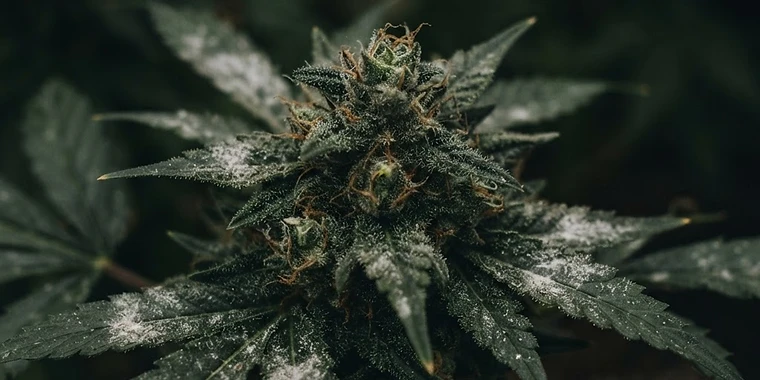
Fungal disease is the silent grow-killer. It hides in the canopy, explodes overnight, and by the time you smell it, half a bud is gone. Here's how to recognize, treat, and — most importantly — prevent the big three: powdery mildew, bud rot, and root rot.
Powdery Mildew (PM)
What it looks like: flour-white, dusty patches on leaves — wipe it and it smears. Starts on shaded lower leaves and dense inner growth, then spreads to buds.
Why it happens: spores land everywhere, but they only germinate in high humidity (above ~60%) with stagnant air. Dense, unpruned autos are prime real estate.
What to do:
- Remove affected leaves and put them straight in a bag — don't compost them.
- Spray with potassium bicarbonate (1 tsp per litre) or a biological fungicide like Bacillus subtilis. Milk sprays (1:9 with water) work on light cases.
- Drop humidity below 50%, add airflow, and re-treat every 5–7 days until clean.
Never spray flowering buds with anything that leaves residue — use biological controls only, and improve the environment rather than fighting chemistry.
Bud Rot (Botrytis)
What it looks like: a bud that darkens, browns from the inside out, and crumbles when squeezed, often with grey fuzzy mould inside. By the time you see it on the outside, the rot is deep.
Why it happens: dense buds plus cool, humid nights — especially outdoors in late summer or in packed tents after a spray or spill.
What to do:
- Cut affected buds well beyond the visible rot (at least 5 cm past the brown) with sterilized scissors; wipe blades with alcohol between cuts.
- Improve air exchange immediately; a dehumidifier pays for itself.
- Harvest if the rot is systemic — no amount of trimming saves a badly hit plant, and dried mouldy bud is not safe to smoke.
Root Rot and Damping Off
What it looks like: brown, slimy roots instead of white ones; seedlings collapsing at the soil line; an old swamp smell in hydro or sitting-wet pots.
Why it happens: overwatering and anaerobic roots. In coco and hydro, water temperatures above 22°C accelerate it.
What to do:
- Let pots dry properly between waterings — lift them; wet pots feel it.
- In hydro, drop the reservoir to 19°C, add hydrogen peroxide (3 ml of 3% per litre) or a beneficial bacteria product.
- Seedlings: use a light, airy medium, and water sparingly until the first true leaves are up.
Prevention Beats Cure, Every Time
- Airflow everywhere: a gentle fan should make leaves flutter, not whip.
- Humidity discipline: 60–70% in seedling/veg, 40–50% in flower.
- Prune for breathing room: remove lower growth touching soil or shaded inner leaves.
- Clean between grows: spores overwinter on tent walls, pots, and tools.
- Check the underside of buds and the lowest leaves daily in flower — 20 seconds a day finds rot at the treatable stage.
A plant with great airflow, sane humidity, and a watchful grower rarely sees disease. If you grow outdoors, pick airy cultivars and check buds every morning after rain.
Written by the Autoflower.net Editorial Team. Information on this page is educational and does not replace strain-specific breeder guidance. Laws on cannabis cultivation vary by jurisdiction — check your local rules before growing.