
Common Cannabis Pests and How to Beat Them
Spider mites, fungus gnats, aphids, thrips and more — how to spot each pest early and treat safely, including flowering-safe options.
By Autoflower.net Editorial Team
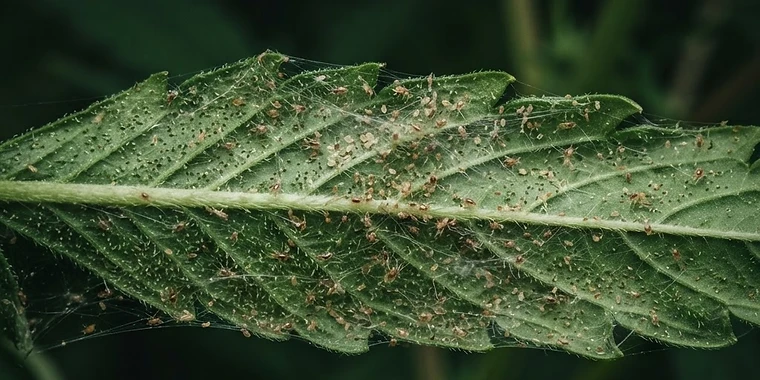
Every grower meets pests eventually — the difference between a hiccup and a disaster is finding them in week one instead of week six. Here are the usual suspects, the evidence they leave behind, and the safest ways to fight them.
Spider Mites — The Micro Menace
Evidence: tiny pale dots (stippling) on leaves, fine webbing in leaf joints, and moving specks no bigger than this full stop. They explode in hot, dry tents and can crash a plant in two weeks.
Treatment: spray undersides with insecticidal soap or a dedicated miticide labelled for edibles, repeating every 5 days to catch hatching eggs. Amblyseius predatory mites are excellent prevention. Never let a tent get hot and bone-dry — that's an invitation.
Fungus Gnats — More Than a Nuisance
Evidence: little black flies hovering over wet soil; their larvae eat root hairs, stunting young autos. A classic symptom of chronic overwatering.
Treatment: let the top 3 cm of soil dry out between waterings, cover the surface with a 1 cm layer of sand or perlite, and hang yellow sticky traps. Bacillus thuringiensis (BTI) drenches kill larvae cleanly.
Aphids — The Sap Suckers
Evidence: clusters of green, black, or grey pear-shaped insects on soft new growth, plus sticky "honeydew" and curled leaves.
Treatment: knock them off with a water spray, then follow with insecticidal soap every few days. Ladybugs and lacewings do the job outdoors for free.
Thrips — The Scrappers
Evidence: silvery scratch marks and tiny black droppings on leaves, like someone sanded the surface.
Treatment: blue sticky traps plus insecticidal soap; predatory mites (Amblyseius cucumeris) for repeat offenders.
The Golden Rules of Pest Control
- Inspect weekly, under leaves. Buy a cheap 60x jeweller's loupe and use it.
- Quarantine new plants — clones and gifts from friends bring hitchhikers.
- Treat at the label rate. Doubling "to be sure" burns plants and leaves residues.
- In flower, choose biologicals — Bacillus-based sprays, insecticidal soap early in flowering, and predators. Stop all sprays once buds are formed, and never spray open buds with anything.
- Clean between cycles. Pests and their eggs survive on pots, trays, and tent seams.
Outdoors: Larger Problems, Larger Tools
- Deer and rabbits: fencing and raised beds.
- Caterpillars (cabbage loopers, hornworms): hand-pick at dusk, or use BT (Bacillus thuringiensis), which is safe and effective.
- Slugs: beer traps and copper tape around pots.
The best pest protection is a healthy, unstressed plant — robust autos shrug off small infestations, while struggling ones get overrun. Good airflow, sensible watering, and a morning look-over are your best defences.
Written by the Autoflower.net Editorial Team. Information on this page is educational and does not replace strain-specific breeder guidance. Laws on cannabis cultivation vary by jurisdiction — check your local rules before growing.